The suite at the Plaza was a furnace. Even the ice in the tall glasses had surrendered, gone soft and sliding, and the mint julep sweated onto the tabletop like everything else in that airless room.
Tom leaned forward with the sureness of a man who had never once in his life been refused. "She's not leaving me for a common swindler," he said. "Isn't that right, Daisy?"
And this was the moment. I have gone back to it a thousand times since, this narrow doorway of an instant when the whole summer turned on a hinge.
Daisy looked at Gatsby. Not at Tom, not at the julep glasses, not at the window where the heat shimmered over the park. At Gatsby, who stood with his hands loose at his sides, waiting the way he had waited five years, the way he had waited across the water for a light he could not touch.
"I never loved him," she said. Her voice did not tremble this time. It was low and even and terribly clear. "I'm sorry, Tom. It's true. I did once, maybe, but not the way you want me to have. Not the way that lasts."
Tom's face went the color of brick. "You don't know what you're saying. It's the heat. Come home and we'll forget the whole ugly business."
"I'm not going home." She rose, and her white dress clung to her, and she looked suddenly not like a girl but like a woman who had done the accounting of her own life and found the sum wanting. "Jay. Take me somewhere. Anywhere. I don't care where."
I watched something break open in Gatsby's face, some long held breath finally let go. He did not gloat. That was the thing about him, the thing Tom could never understand. He crossed the room and took her hand as gently as if it were made of glass, and he said only, "All right. All right, Daisy."
Tom got to his feet. For a moment I thought he would strike one of them. But there is a kind of man who cannot bear to be a spectacle, and Tom Buchanan was that kind. He straightened his jacket. "You'll come crawling back," he said. "His money's dirty and everyone knows it. In a month you'll want your own kind again."
"Perhaps," Daisy said. "But I'd rather be wrong out there than right in here."
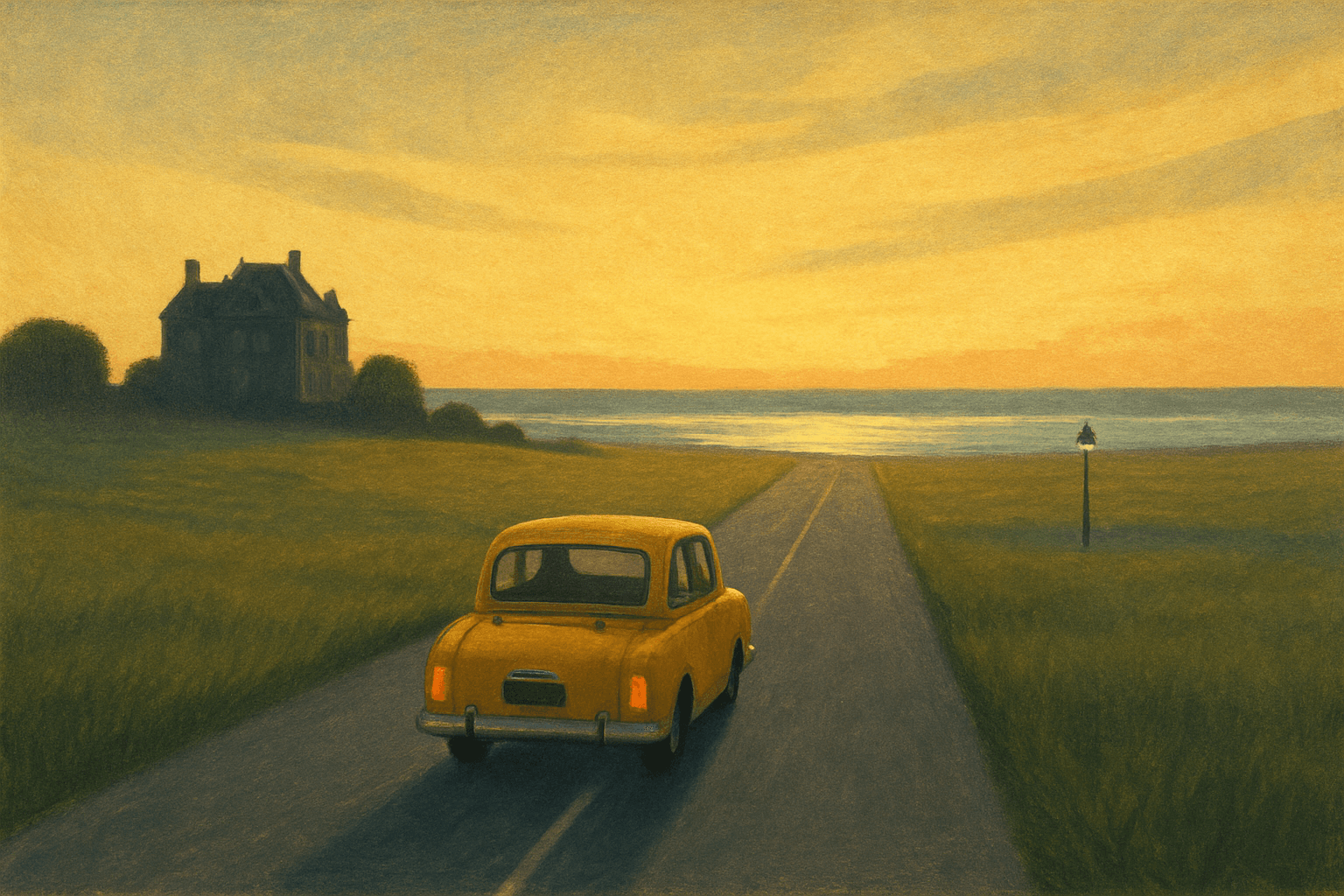
They did not take the yellow car. That is the detail I keep returning to, because it seems to me the whole difference. Gatsby, who loved that car the way a boy loves a thing that announces him, left it in the garage of the Plaza and hired a plain black sedan. "Too many people know that automobile," he told me quietly in the corridor, and I understood he meant more than he said. He had already begun, in some private ledger, to subtract himself from the life he had built to summon her.
So they drove north instead of home, away from the valley of ashes and the billboard eyes and the small hot house where a woman named Myrtle stood at a window that afternoon, watching a road she would not die on.
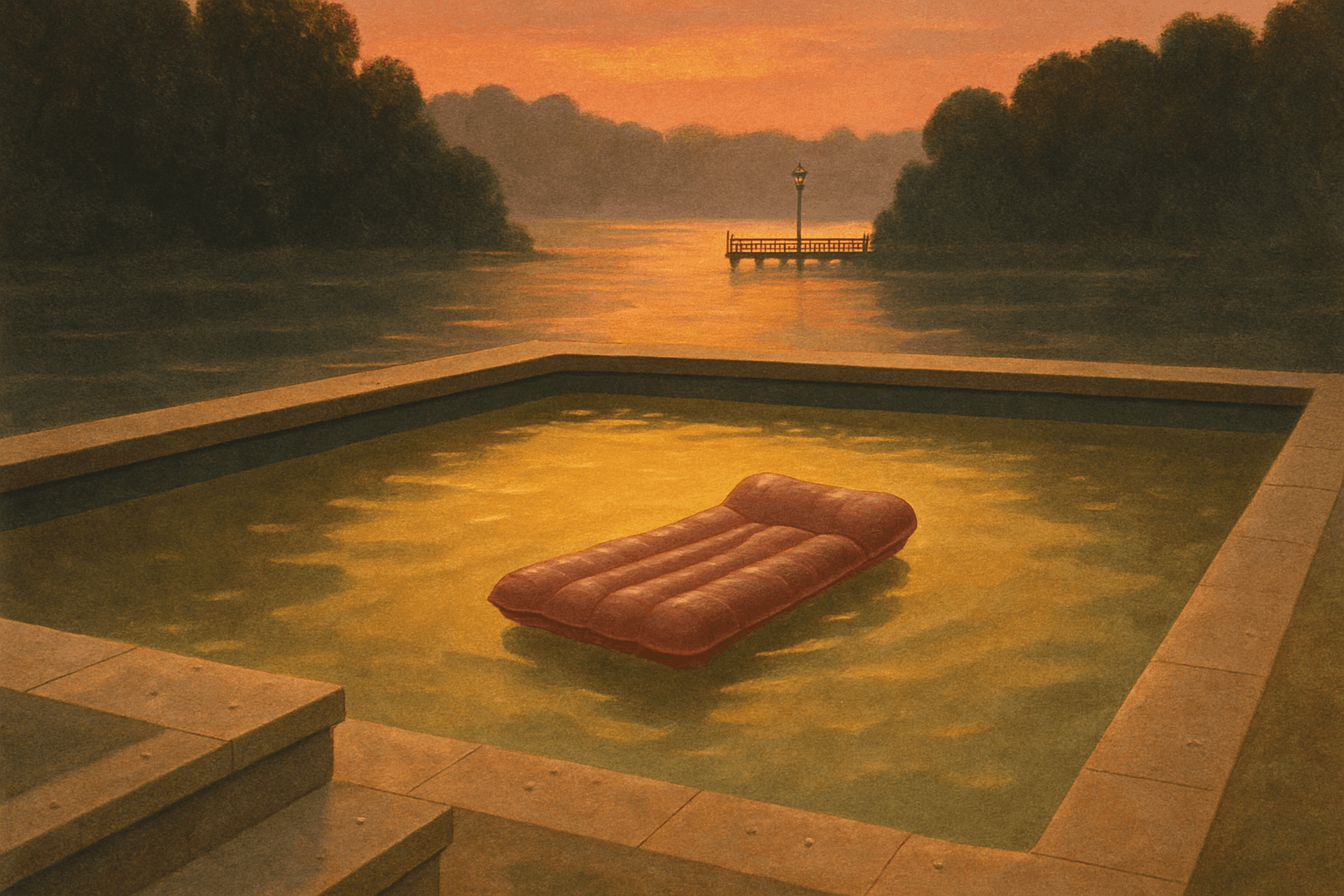
Gatsby stopped only once, at West Egg, and I went with him. He walked through the great vulgar house one last time, past the empty pool, past the library with its uncut books, past the ballroom where the orchestras had played for strangers who did not know his name. He did not look sentimental. He looked like a man leaving a hotel.
"I built all of it for the light," he said, standing at the window that faced the bay. Across the dark water the Buchanan dock still burned its small green fire. "Do you know, Nick, that light used to seem so far. Enormous. The whole future in it." He was quiet. "And now she's in the car in my driveway and the light's just a light. A bulb somebody forgot to switch off."
"That's not a sad thing," I said.
He smiled, and it was the old smile, the one that made you feel he believed in you completely. "No," he said. "I suppose it isn't. A man can't drink the future forever. Sooner or later he has to sit down to supper."
He gave me an envelope before he left. Inside was more money than I had any right to hold, and a note in his careful, self taught hand asking me to settle certain accounts, to send certain men away, to tell Wolfsheim nothing. "Sell the house," the note said. "Give the servants a year's wages. Burn the shirts." I did not burn the shirts. I could not tell you why.
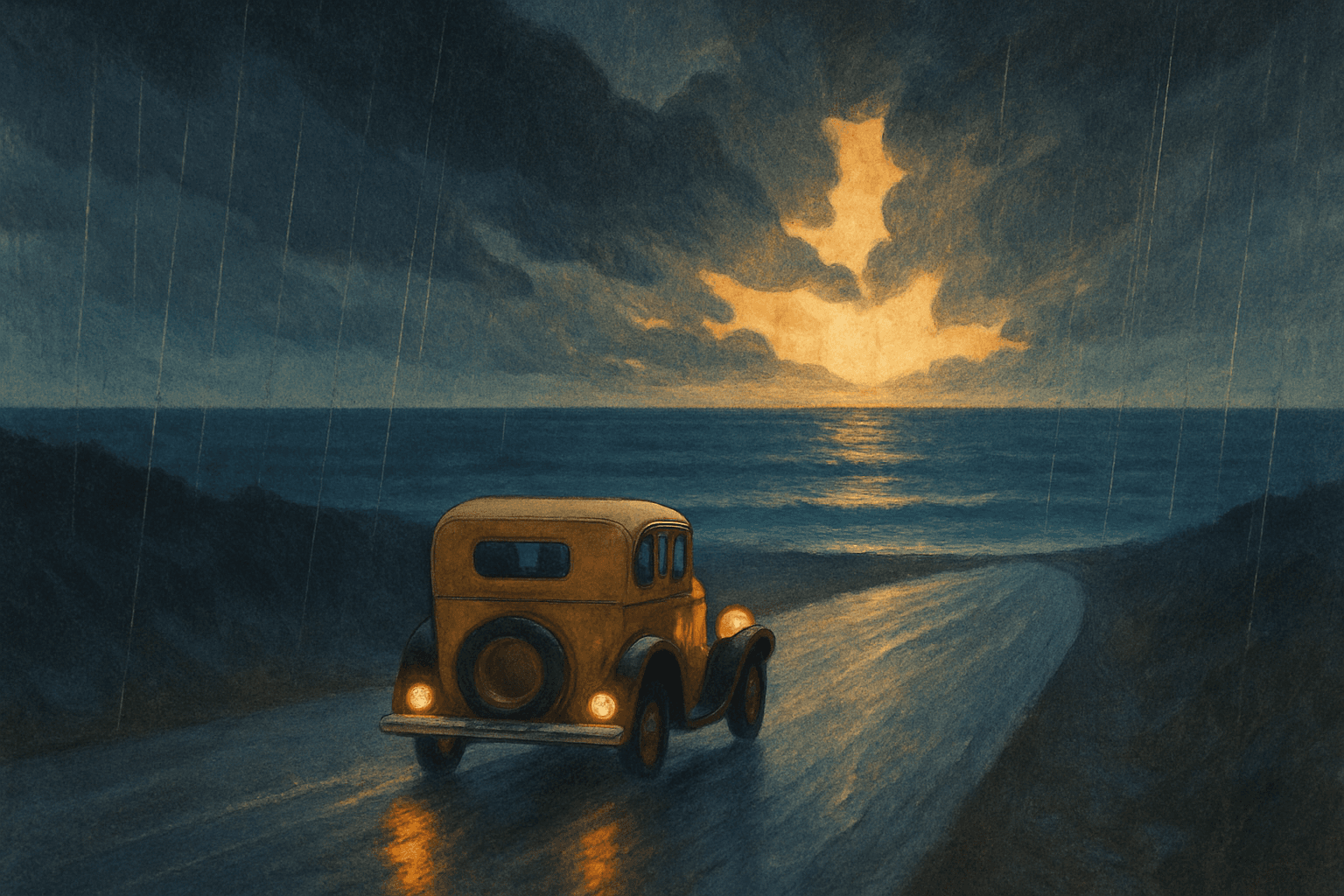
They went west. Not to the Middle West of his boyhood, that grey country he had spent his life outrunning, but farther, to California, where the land runs out of continent and a man with a false name is only one of a hundred thousand men with false names, all of them starting over under the same forgiving sun.
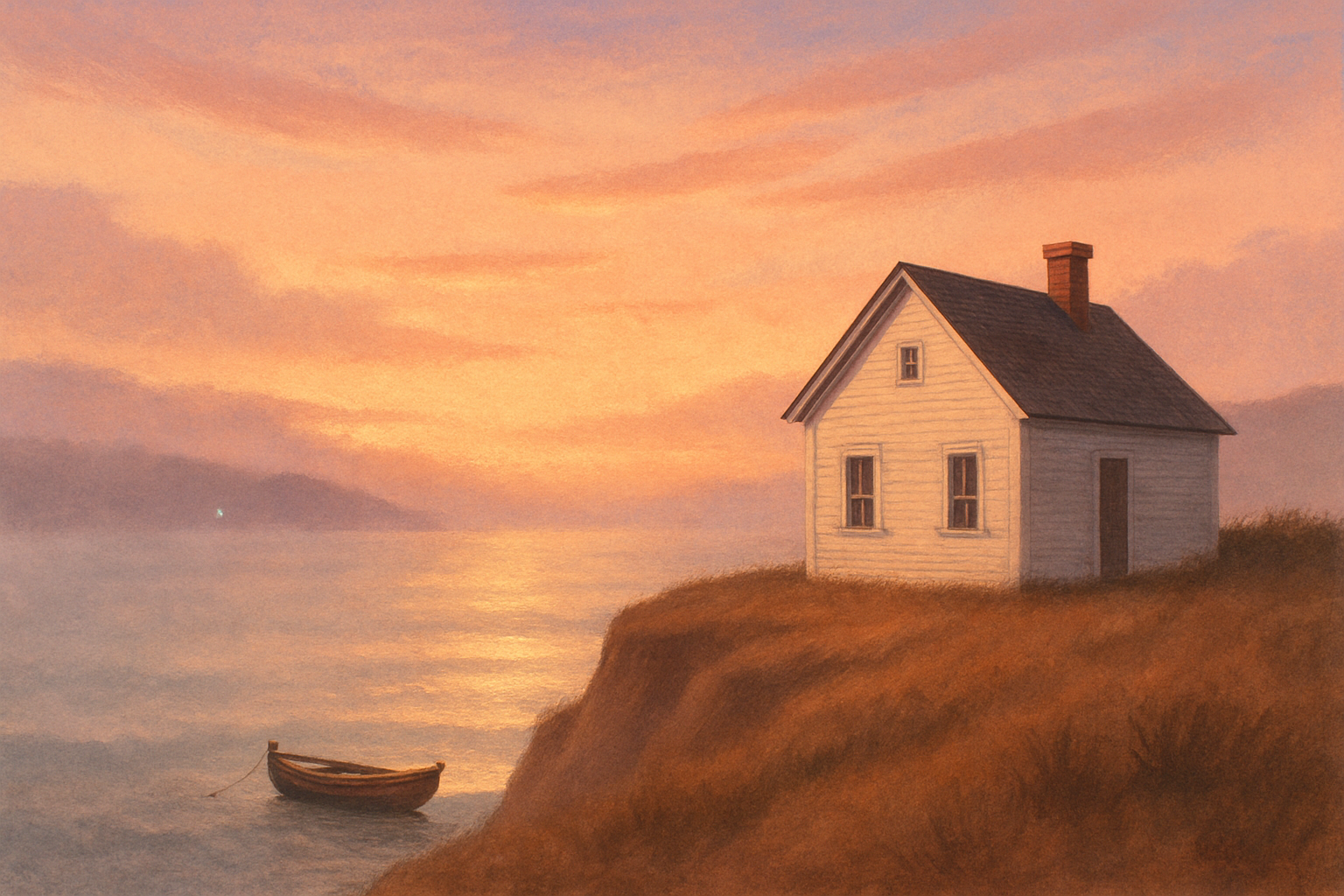
I had a letter from them the following spring. Daisy wrote it, in a hand that sloped and slid like her voice. They had a small white house near the ocean, she said, nothing like the palace on the bay, and Jay had bought a boat, a real working boat, and gone into some honest small business she did not entirely understand and did not care to. She said the mornings were the best part. She said she had not known, in all those years of parties, what a morning could be, quiet, with coffee, with nothing owed to anyone. She said she thought about her daughter and hoped, when the girl was grown, she might come to them. She did not mention Tom at all.
At the bottom, in Gatsby's hand, three lines. "The fog comes in off the water here every night and burns off every morning. I think of you, old sport. I think you were the only friend I had who wanted nothing from me. That was worth more than all of it."
I never saw either of them again.
Tom and Jordan and the whole bright careless crowd closed over the empty place they left like water over a dropped stone. There were new people in the great house by autumn, and by the next summer no one at the parties could tell you who had built it. That is the way of that country. It devours its own legends and asks for more.
But sometimes, on the hot nights, I sit on my little lawn and look across at the dock where the green light still burns, faithful and small, promising nothing to no one now, and I think that it is a rare and impossible thing, what they did. We are all of us borne back ceaselessly into the past, all of us reaching for the light that recedes before us year by year.
Except, once, a man reached, and the light was only a light, and the girl was only a girl, and he had the wild good sense to take her hand and drive away from the water before the water could take them both. I do not know if they were happy forever. No one is. But they were happy that spring, in a white house, in the morning, with the fog burning off.
And that, I have come to believe, is the most that any of us can ask. Not the green light. The morning after we finally let it go.