The suite at the Plaza smelled of warm mint and spilled whiskey, and the fan turned slowly overhead without cooling anything at all.
Tom had his coat off and his voice up, the way he did when he sensed the ground shifting under him. He was talking about drug stores and family and the sacredness of things he had never once treated as sacred. Gatsby stood by the window in his pink suit, patient as a man who has waited five years and believes he can wait five minutes more.
"Daisy," Tom said, "tell him. Tell him it was only a little foolishness."
I watched her then, the way you watch a coin spinning on a table, knowing it must fall but not which way. Her eyes went to Gatsby, and something in them steadied.
"I did love Tom once," she said. Her voice trembled but did not break. "But I loved you too. And I am tired, Tom. I am so tired of being told what I felt."
"Daisy, you don't know what you're saying."
"I do." She stood. The heat seemed to fall away from her like a dropped shawl. "I know exactly what I'm saying. For the first time in years I know."
Gatsby did not smile in triumph. That surprised me. He only looked at her with a kind of wonder, as though the future he had polished in his mind every night had finally walked across the carpet and taken his arm.
"We're leaving," she said to him, quietly, the way you say a thing you have decided will be true no matter who objects.
Tom laughed, but it was a hollow sound. "Leaving. For where? A man who runs bootleg over a drug store counter, who bought that ridiculous house to spy on my wife."
"He bought it for me," Daisy said, and there was no shame in her at all. "Everything he did, he did for me. And what did you ever do, Tom, except make me small."
Gatsby set down his glass. "Come on, old sport," he said to me, and for once the phrase did not sound like a costume he was wearing. "Nick, will you see to a few things?"
What happened after went quickly, the way real turning points do, without the ceremony they deserve.
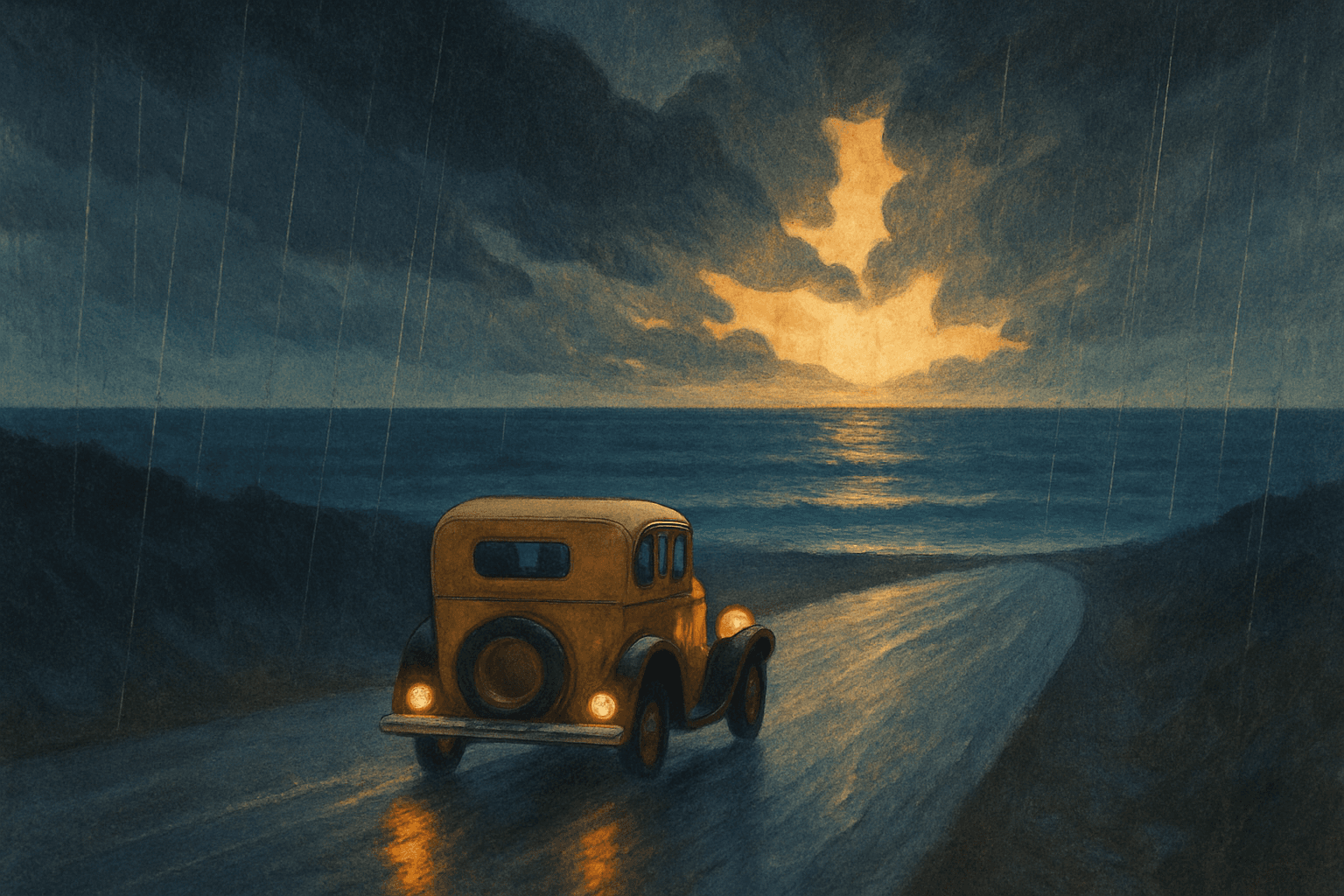
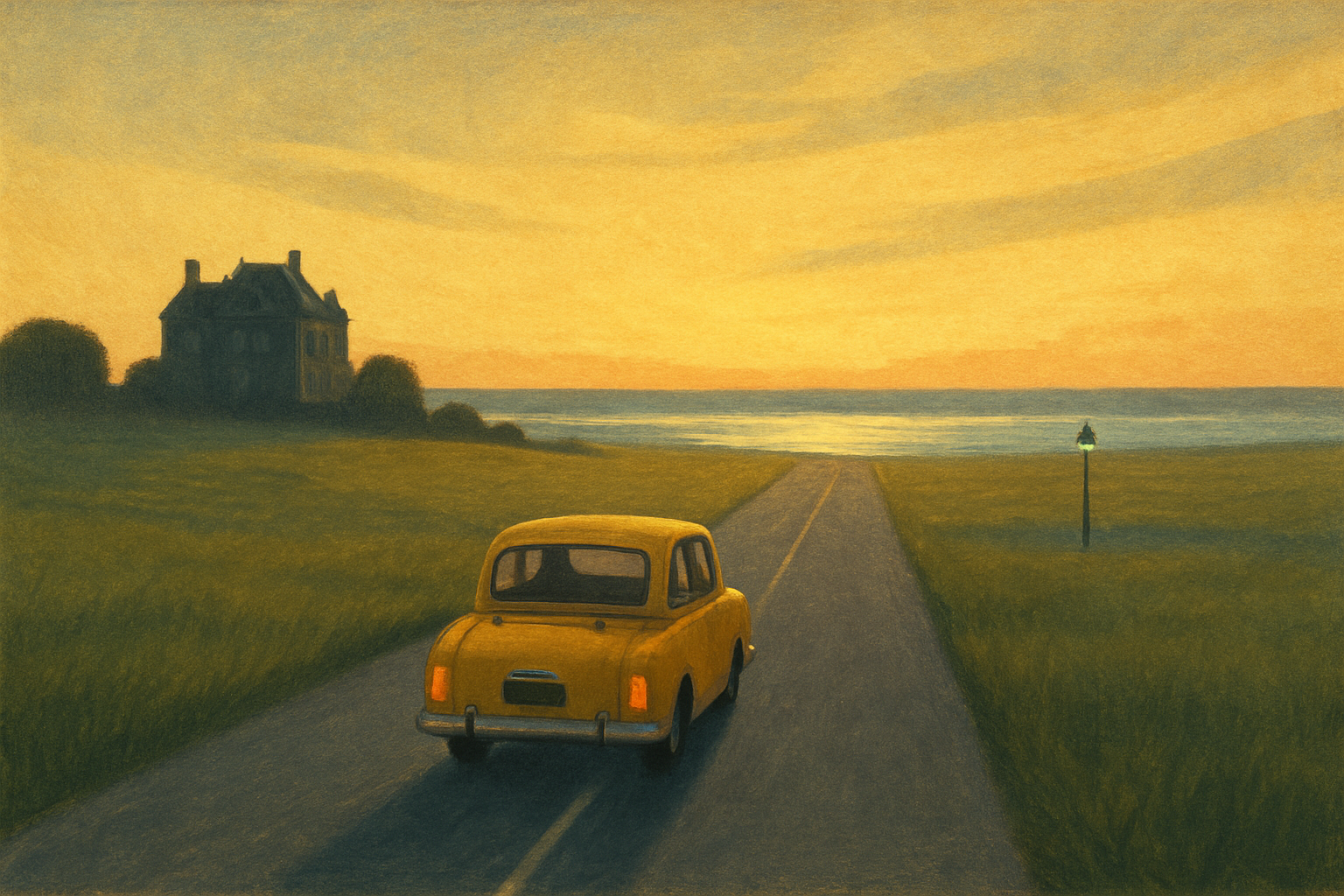
We did not drive back the way that led past the ash heaps and the glowing sign of the failed oculist. Gatsby, some old caution alive in him, took the long road, the yellow car humming north instead of west. Daisy sat beside him with her gloves in her lap. She did not touch the wheel. She would tell me, years later, that she had wanted her hands to be still, wanted this one choice to belong to no accident.
So the woman on the road, Myrtle Wilson, running out into the dusk with her arms wide toward a car she thought carried the man who had wounded her, saw only strangers pass and slow and swerve. She lived. That is the plainest way to say it, and the truest. She lived, and hated the world a while longer, and eventually left the valley of ashes for a sister's house in another state. Her husband did not clean his gun with grief that night. The chain of that summer, which in another telling drew every soul to ruin, simply came apart in Gatsby's careful hands on a road he chose out of nothing but a lover's superstition.
They did not go to West Egg. Gatsby understood, I think, that the mansion was a monument and not a home, that the parties and the imported shirts and the library of uncut books had all been a lighthouse built to summon one ship, and now the ship had come in. You do not live inside a lighthouse.
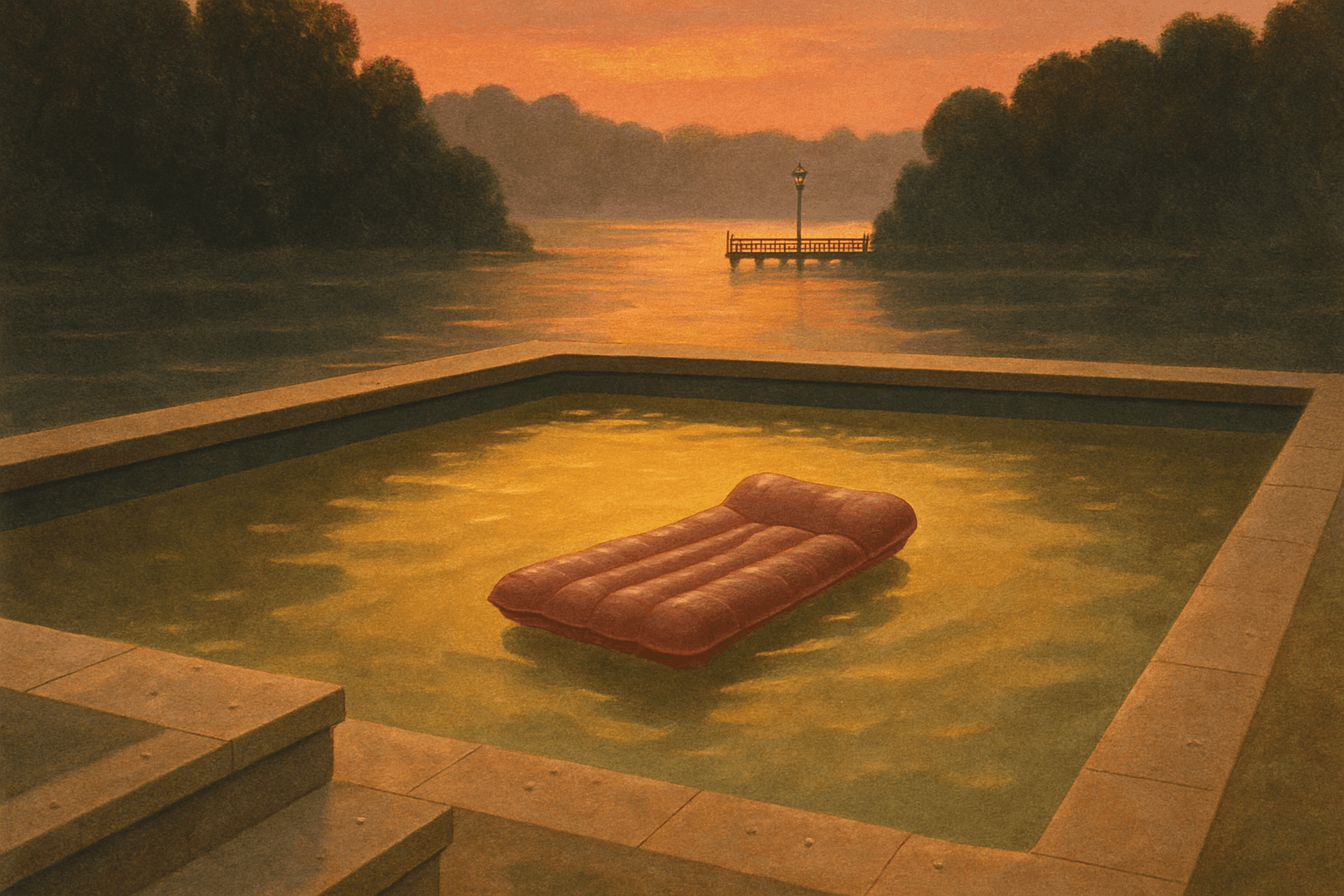
He woke his household in the small hours. Klipspringer he sent away with a month's wages. The servants he paid and dismissed with a gentleness that startled them. By dawn the great house on the Sound stood dark, its pool unfilled, its lawn still green and absurd.
He came to me before they left. I remember he stood on my little lawn in the gray light, and the confident glow had gone out of him, replaced by something quieter and, I thought, better.
"You think I'm a fool," he said.
"No," I told him. "I think you're the only one of them who ever meant anything he said."
He smiled that rare smile, the one that seemed to understand you and believe in you at once. "They're a rotten crowd," I heard myself say, though it was he who had gathered them. "You're worth the whole damn bunch put together."
It was the only compliment I ever paid him, and I have never regretted it. He flushed like a boy.
"I'm going to be somebody different now, old sport," he said. "Not the somebody I invented. Just a man with a woman who chose him. That's more than I ever let myself want, really. I only thought I wanted the rest."
Daisy came out then, a small suitcase in her hand, her daughter's hand in her other. Pammy blinked up at the strange bright morning. Daisy had not left the child behind. Whatever else the years would say of her, they could not say that.
"Nick," Daisy said, and kissed my cheek. Her eyes were wet but her mouth was firm. "Don't think too badly of me."
"I never could," I said, and it was almost true.
They drove west, actually west, not the West of the old money and the mansions but the real one, the country that Gatsby had come out of long ago as a boy named James Gatz with a heart too large for the shore of a cold lake. I had a letter from him in the fall, postmarked from a town in Montana I had to find on a map. He had bought a stretch of land. He wrote about the sky, how much of it there was, how it made a man's ambitions seem both smaller and more possible at once. He signed it with his real name. I understood that was a gift he was giving me, and himself.
Tom and Jordan I saw once more, at a restaurant on Fifth Avenue that winter. Tom shook my hand as though nothing had happened, as though a whole world had not slipped through his careless fingers. Jordan looked at me with her chin up and said she was engaged, and I wished her well and meant it, more or less.
What I remember most is not the leaving but the thing Gatsby said on my lawn at dawn, about being a man someone chose. All that summer I had watched him stretch his arms toward a green light across the water, toward a dream so worn smooth by handling that I feared the having of it would break him. I had believed, as we all secretly believe of such men, that the dream was better than the woman, that longing was his true country and he could not survive its borders.
I was wrong, and I have rarely been so glad to be wrong.
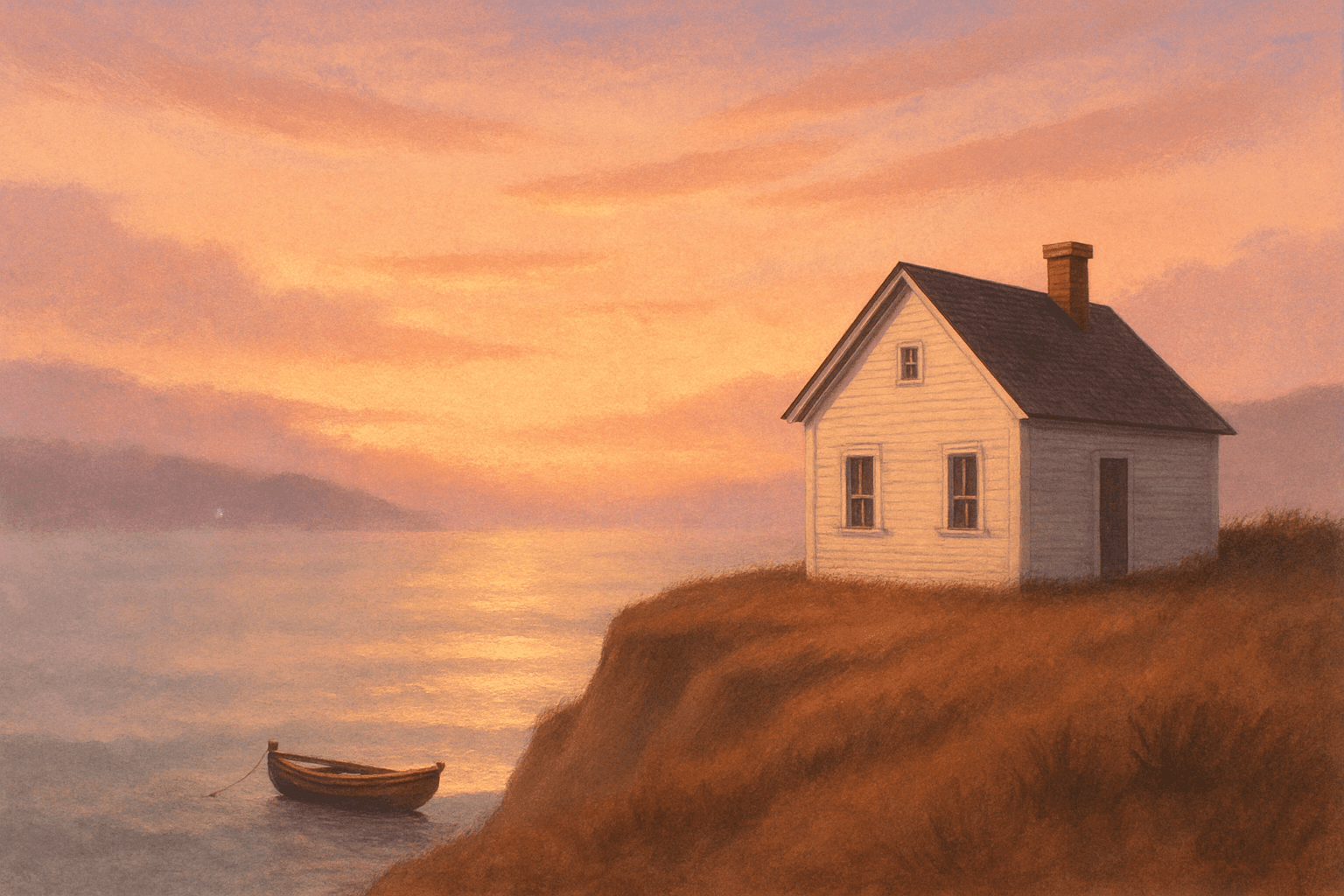
He did not row against the current back into the past. He turned the boat around. He took the woman and the child and the ordinary unglamorous morning, and he drove into a future that no party could have bought him, out past the last of the green lights, into a plain and enormous dawn.